How a Chennai Pharma Plant Achieved 99.5% Filtration Accuracy with SS 316L Woven Wire Mesh
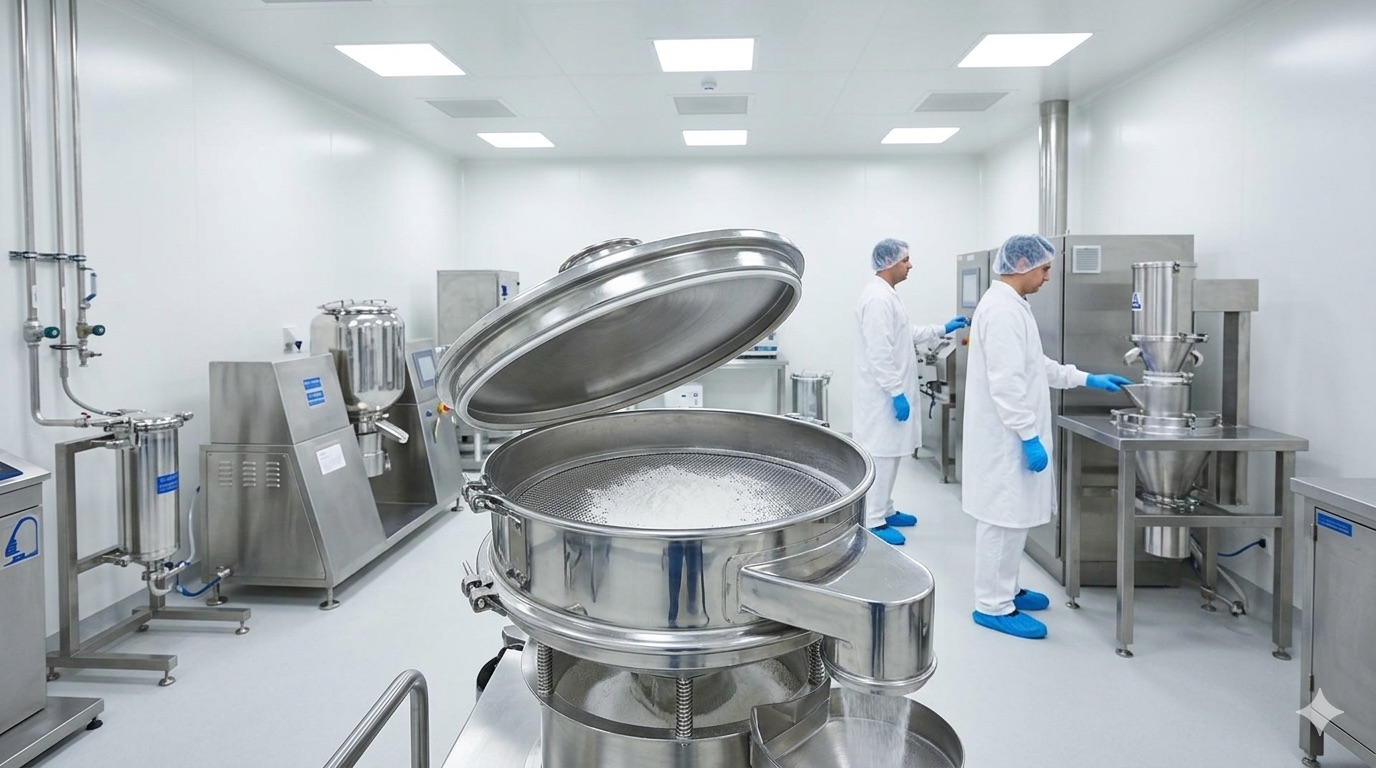
How SS 316L Wire Mesh Helped a Pharma Plant Prevent Contamination
MedPure Formulations Pvt. Ltd., a mid-scale pharmaceutical manufacturer in Ambattur Industrial Estate, Chennai, produces tablets and capsules for domestic sale and export to Southeast Asian markets, processing around 5 tonnes of pharmaceutical-grade powder daily. In early 2025, their quality assurance team flagged a serious recurring issue: the locally sourced mild steel mesh sieves (80 mesh count) used for classifying excipient powders and active ingredients were corroding within 6–8 weeks. Chennai’s tropical humidity combined with the chemical nature of the excipients was causing rust spots on the wire — and during a routine inspection, the QA team found microscopic rust particles contaminating a batch of paracetamol granules.
This wasn’t just a maintenance issue — it was a compliance risk that could jeopardize MedPure’s WHO-GMP certification and export licences. On top of the contamination problem, the degrading wire was causing the sieve apertures to become irregular, letting through inconsistent particle sizes. This led to tablet hardness variations: some tablets crumbled during coating, others were too dense and failed dissolution testing. Head of production Ms. Priya Venkatesh estimated losses of ₹8 lakh from three flagged batches in two months, including raw material waste, rework costs, and delayed shipments to an export client in Vietnam.
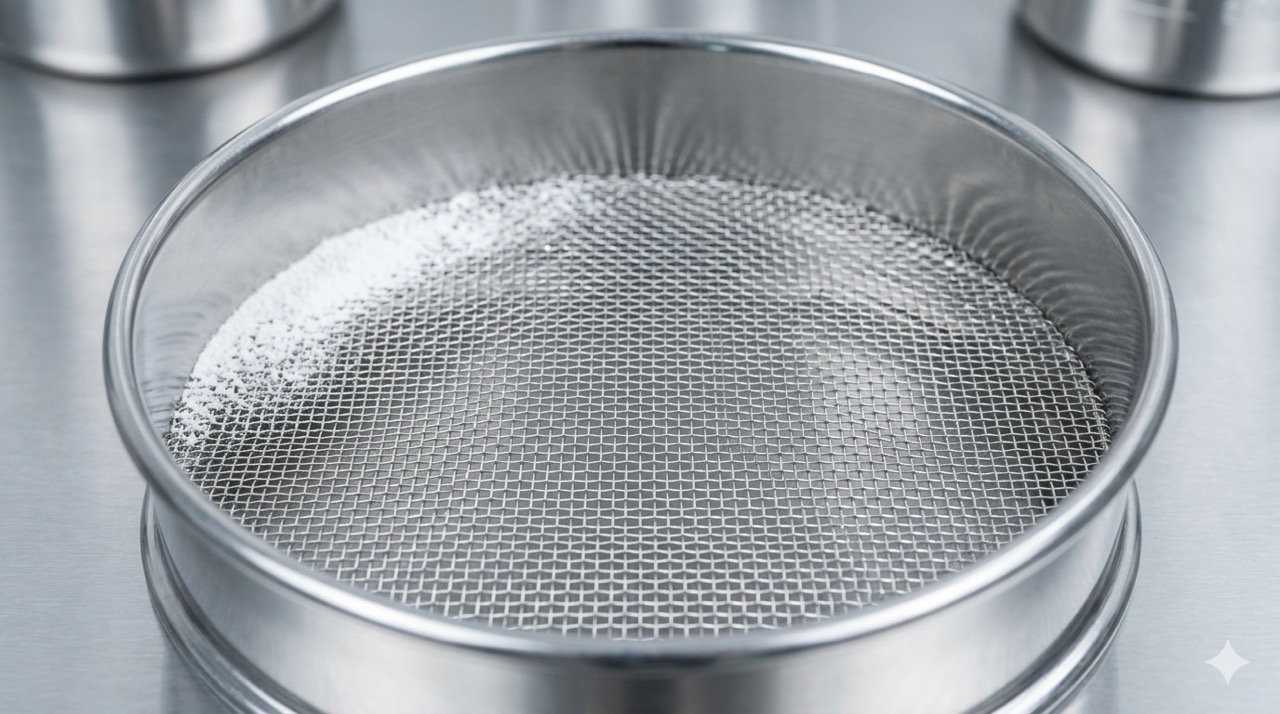
MedPure contacted Banaraswala’s Chennai branch after a recommendation from an industry peer. The technical team visited the facility and recommended replacing all sieving stations with SS 316L woven wire mesh in a plain weave configuration. SS 316L was chosen specifically for its low carbon content (superior intergranular corrosion resistance), its molybdenum content (protection against pitting in Chennai’s coastal humidity), and Banaraswala’s ability to hold aperture tolerance to ±5 microns — a precision level generic vendors weren’t offering. Every batch was delivered with material test certificates confirming AISI 316L grade, and the sieves were electropolished for a smooth finish that reduces powder adhesion and speeds up cleaning between batches.
“In pharmaceuticals, there is no room for compromise on material purity. The Banaraswala 316L mesh gave us exactly the corrosion resistance and aperture precision we needed. Our QA team now has complete confidence in the sieving stage, and our export clients have noticed the difference. — Ms. Priya Venkatesh, Head of Production, MedPure Formulations”
Six months after the changeover, the results spoke for themselves. Zero corrosion-related contamination incidents — the 316L mesh showed no degradation even in continuous humid conditions, and MedPure’s WHO-GMP audit passed without a single observation on sieving equipment. Particle size consistency improved to 99.5% within pharmacopoeial specifications, eliminating the tablet hardness problems entirely. Not a single batch was flagged in six months. Cleaning time between batches dropped by 30% thanks to the electropolished surface, and their Vietnam export client increased order volume by 20%, citing improved product consistency.
Why It Worked: The Right Grade for Regulated Industries
In pharmaceutical manufacturing, a sieve isn’t just a filter — it’s a critical control point affecting product quality, patient safety, and regulatory compliance. Mild steel mesh costs less upfront, but the risks of contamination, batch loss, and certification problems make it a false economy. Banaraswala’s certified 316L grade mesh with documented material traceability, tight tolerances, and electropolished finishing meant MedPure wasn’t just buying wire mesh — they were buying auditability, consistency, and peace of mind.
For any pharmaceutical, food processing, or chemical plant operating in India’s humid climate, the investment in corrosion-resistant stainless steel mesh pays for itself within the first avoided batch rejection. The combination of the right alloy grade, precision manufacturing, and proper documentation is what separates an industrial consumable from a quality assurance solution.
Product used: SS 316L Woven Wire Mesh — plain weave, 80 mesh count, ±5 micron aperture tolerance, electropolished finish, supplied with material test certificates. Available from Banaraswala’s Chennai and Coimbatore facilities. Ideal for pharmaceutical sieving, food processing filtration, and chemical industry applications. Contact Banaraswala for a consultation on GMP-compliant mesh solutions.
